
How to Choose the Right Heat Pump System for Your Climate
For those who are considering a heat pump installation for their home or building, there are a few key elements to think about. Heat pump systems come in a few varieties and with various features, and knowing how to choose the ideal one for your climate and building needs is vital.
At Thompson’s Comfort Connection, we’re here to help. We offer a wide range of heat pump services for clients around Salt Lake City, Sandy, Draper, Midvale, Riverton, Cottonwood Heights, and nearby areas of Utah, bringing year-round comfort via high-quality products. Here are some of the chief variables we help you dissect to choose your heat pump system, making sure you end up with the ideal option.
Air-Source, Ground-Source, and Ductless Systems
Firstly, it pays to be aware of the primary forms of heat pump systems that you can opt for. Most heat pump systems fall into three main categories:
Air-Source Heat Pumps
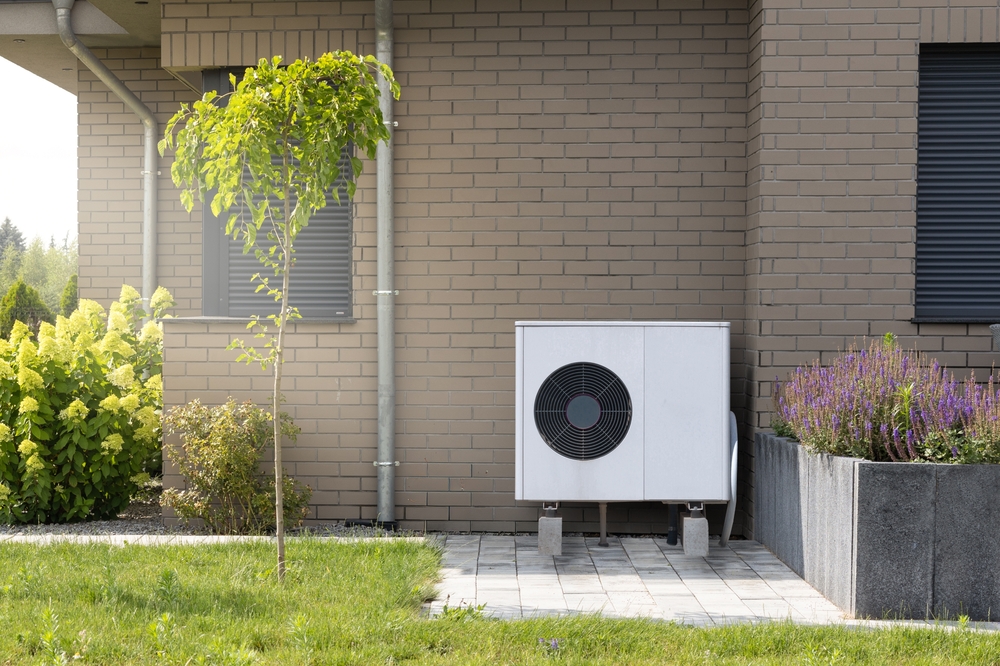
As their name implies, air-source heat pumps draw their heat energy from the outdoor air. They are the most commonly used type of heat pump and are typically more affordable than other options. However, they may not be as efficient in extremely cold climates.
Air-source heat pumps work by transferring heat energy from the outdoor air into your home. This is achieved through a process of evaporation and condensation using refrigerant gas.
Ground-Source Heat Pumps
Also known as geothermal heat pumps, ground-source heat pumps utilize the stable temperature of the ground to provide heating and cooling for a building. They are typically more expensive to install but can be more efficient than air-source heat pumps in colder climates.
Ground-source heat pumps use a series of underground pipes filled with water or refrigerant to transfer heat energy from the ground into your home.
Ductless Systems
As an alternative to traditional central ducted systems, ductless heat pump systems offer a versatile and efficient solution for heating and cooling individual rooms or zones in a building. Also known as mini-split systems, they consist of an outdoor unit connected to one or more indoor units that can be mounted on walls, ceilings, or floors.
Ductless systems use a refrigerant line to transfer heat between the outdoor and indoor units, eliminating the need for ductwork. This not only simplifies installation but also reduces energy losses often associated with ducted systems.
One major advantage of ductless systems is their ability to provide zoned heating and cooling. Each indoor unit can be controlled separately, allowing occupants to adjust temperatures in different areas according to their preferences.
Considering SEER and HSPF Rating Info
Another key consideration when you choose a heat pump system is its seasonal energy efficiency ratio (SEER) and heating seasonal performance factor (HSPF) ratings. These ratings measure the efficiency of the system in cooling and heating, respectively, with higher numbers indicating better efficiency.
While traditional ducted heat pumps typically have SEER ratings between 13-21 and HSPF ratings between 7-12, ductless systems can achieve even higher ratings. This is because they are designed to operate at variable speeds, allowing them to adjust their output according to the current needs of a room.
When evaluating your options for a heat pump system, it’s important to consider both the SEER and HSPF ratings. While a higher initial cost may be associated with a ductless system, the energy savings over time can make up for it.
Think About Your Climate Zone
When thinking about which kind of heat pump system to install, you should also take into consideration your climate zone. For areas with moderate temperatures and mild winters, a ductless heat pump system may be sufficient. However, for regions that experience more extreme temperatures, a central heat pump system may be a better choice.
Maintenance and Upkeep
Proper maintenance and upkeep are important for all types of heat pump systems. Ductless systems require regular filter changes and occasional coil cleaning to ensure efficient operation. Central systems also require regular maintenance, such as filter changes, but they may also need periodic professional servicing to check refrigerant levels and inspect the outdoor unit.
Pros to Help You Make Your Choice
At Thompson’s Comfort Connection, we know it can be difficult to assess the various factors involved to choose a heat pump system that’s best for you. That’s why our team is here to provide assistance and guidance to help you make the right choice for your home.
We’ll walk you through the various heat pump options available and consider factors such as your budget, energy efficiency needs, and the size and layout of your home. Our experienced technicians will also ensure proper installation for optimal performance and longevity.
So for any heat pump system needed around SLC, Sandy, Midvale, Draper, Riverton, Cottonwood Heights, or nearby areas, contact our team at Thompson’s Comfort Connection today!
Related Articles

Seasonal Heat Pump Maintenance Checklist for Homeowners
Any major HVAC component in your home or building will…
[ READ MORE ]

Heat Pump vs. Traditional HVAC Systems: A Comparative Guide
There are a few notable choices that sometimes have to…
[ READ MORE ]
How to Choose the Right Heat Pump System for Your Climate
For those who are considering a heat pump installation for…
[ READ MORE ]