

Heat Pump vs. Traditional HVAC Systems: A Comparative Guide
There are a few notable choices that sometimes have to be made in the HVAC world, and one of the larger ones for many homes or buildings is the choice between a heat pump vs traditional HVAC components like air conditioners and furnaces. Which of these approaches is right for you?
At Thompson’s Comfort Connection, we’re proud to offer the best heat pump services available around Salt Lake City, Sandy, Midvale, Draper, Riverton, Cottonwood Heights, and nearby areas of Utah, plus traditional HVAC solutions as well. Here’s a breakdown of a heat pump vs traditional HVAC components, helping you determine which will be ideal for your needs.
Defining Both Options
For starters, let’s define both these options in detail:
- Traditional HVAC system: Traditional HVAC (Heating, Ventilation, and Air Conditioning) systems use a combination of furnace + air conditioner to regulate the temperature and humidity levels inside a space. During summer and warm months, an air conditioner cools external air and circulates it through the space, while a furnace warms the air during colder months.
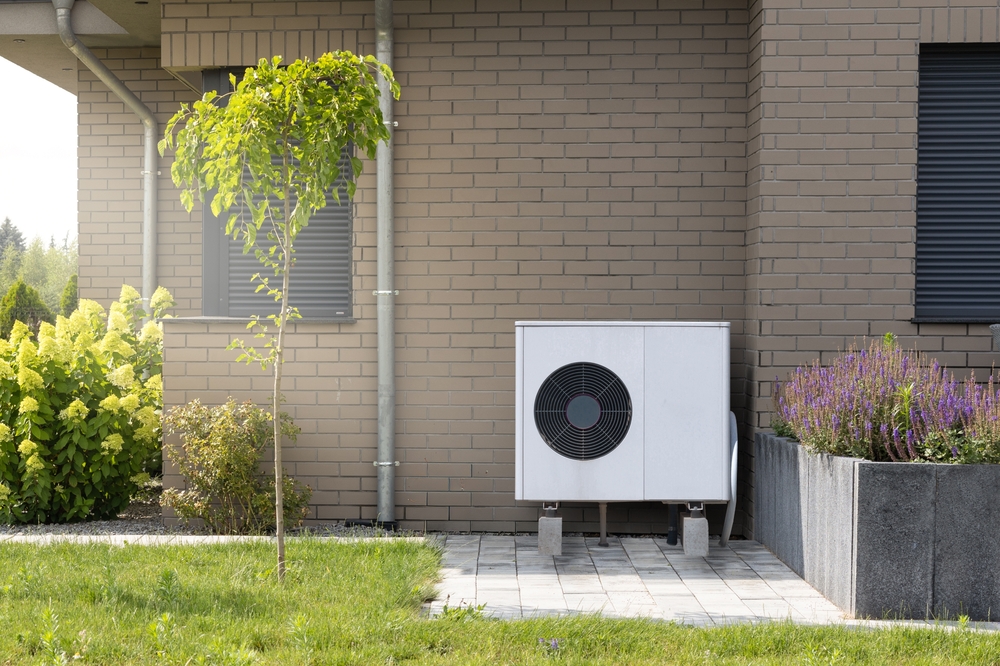
- Heat pump: A heat pump is also a type of HVAC system that uses electricity to move heat from one place to another. It can both cool down or warm up a space, depending on the desired temperature setting, meaning there is no need to switch between a furnace and AC when the temperatures change.
Key Comparison Areas
Here are some of the major areas in which to compare heat pumps vs traditional HVAC systems:
Efficiency
Because they transfer heat rather than generating it, heat pumps can be up to four times more efficient than traditional HVAC systems. This means they use less energy and are more cost-effective in the long run.
Cost
On the flip side, their increased efficiency means heat pumps can have a higher upfront cost than traditional HVAC systems. However, the long-term savings on energy bills can make up for this initial investment.
Maintenance
Heat pumps require regular maintenance, just like traditional HVAC systems. However, because they have fewer moving parts and don’t burn fuel, they tend to require less frequent and less costly repairs.
Climate Suitability
One important factor to consider when comparing heat pumps vs traditional HVAC systems is the climate you live in. Heat pumps are most effective in moderate climates where temperatures rarely drop below freezing. In colder climates, heat pumps may struggle to keep up with heating demands and may need additional backup heating sources.
Noise Level
Compared to traditional HVAC systems, which use a compressor and fan to push air through ducts, heat pumps are generally quieter. This is because they do not require a loud outdoor unit and operate at lower noise levels. However, it’s important to note that some models of heat pumps can still produce noise when operating, so it’s important to research and compare different models for their noise levels.
It’s also notable that many home HVAC systems these days are not especially loud. This tends to be a secondary consideration for most buyers.
Temperature Distribution
Heat pumps tend to hold a general edge when it comes to temperature distribution throughout the home. This is because they work by transferring heat from one location to another, rather than generating heat like traditional furnaces. This results in a more even and consistent distribution of warm or cool air throughout the home.
On the other hand, furnaces can sometimes create hot and cold spots due to their method of heating air and distributing it through ducts. In some cases, this may require additional measures such as zoning systems or multiple thermostats to achieve optimal temperature distribution throughout the home.
Considering Climate
As we noted above, your specific climate is important to think about when comparing a heat pump vs traditional HVAC systems. The reason for this is that heat pumps do not function as well in extremely cold environments. When temperatures reach freezing or below, the air outside becomes too cold, and there is not enough warm air to extract and transfer inside. In these cases, a backup heating source such as an electric resistance heater may be needed to provide supplemental heat.
In contrast, traditional HVAC systems are better equipped to handle extreme temperatures due to their heating method of burning fuel or using electricity directly. This means that they can still provide warmth even when outdoor temperatures drop significantly.
As you can see, there are a number of key considerations to keep in mind when choosing a heat pump vs traditional HVAC components. For more here, or to learn about our services in both these areas for clients around SLC, Sandy, Draper, Riverton, Midvale, Cottonwood Heights, and nearby areas of Utah, contact our team at Thompson’s Comfort Connection today!
Related Articles

Seasonal Heat Pump Maintenance Checklist for Homeowners
Any major HVAC component in your home or building will…
[ READ MORE ]
Heat Pump vs. Traditional HVAC Systems: A Comparative Guide
There are a few notable choices that sometimes have to…
[ READ MORE ]
How to Choose the Right Heat Pump System for Your Climate
For those who are considering a heat pump installation for…
[ READ MORE ]