
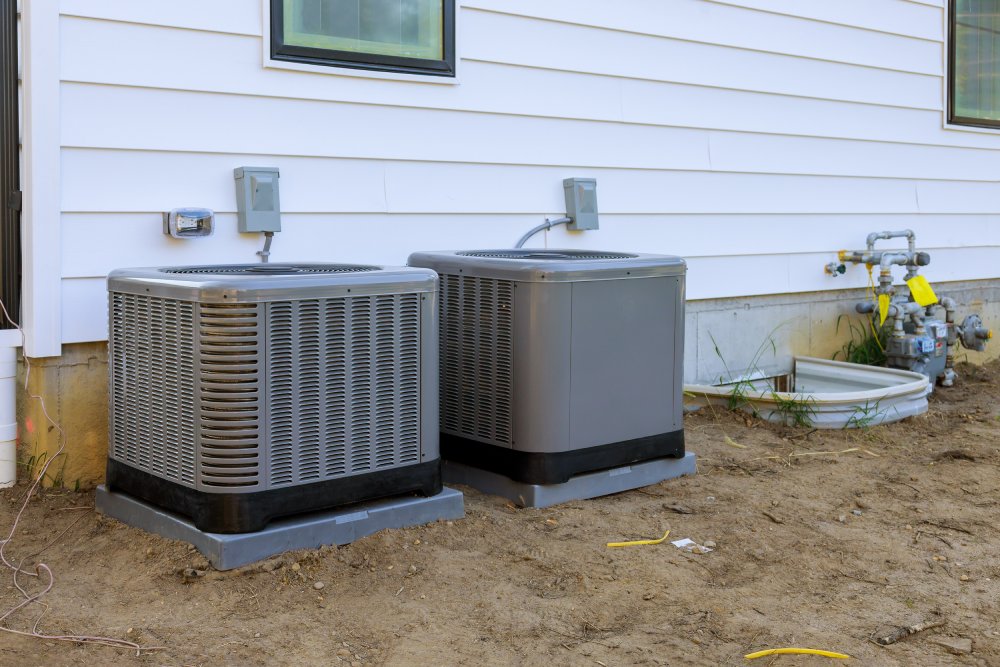
Enhancing HVAC: How to Add Zones to Your Current System
For home or building owners who are considering utilizing a zoned HVAC system, a few common questions tend to come up. One good example: Can you add zones to an existing HVAC system?
At Thompson’s Comfort Connection, we’re here to offer a wide range of AC and furnace replacements and installations for clients around Salt Lake City, Sandy, Midvale, Cottonwood Heights, Draper, Riverton and nearby areas of Utah. What is a zoned HVAC system, and can you add zones to an existing HVAC system? Let’s dive in!
What is a Zoned HVAC System?
For those just learning about zoned HVAC systems, they are a type of heating and cooling system that divides your home or building into separate zones. Each zone is controlled by its own thermostat, allowing for individualized temperature control in each area. This means each room or section can be set to different temperatures according to the preferences and needs of those using it.
For instance, you might want your living room to be cooler during the day when the sun is shining in, but warmer at night when you’re relaxing and watching TV. With a zoned HVAC system, you can set different temperatures for each zone without having to adjust the whole house’s temperature.
Why Add Zones to Your HVAC System?
There are several benefits of adding zones to your existing HVAC system. First and foremost, it allows for more personalized comfort throughout your home or building. No longer will one person have to sacrifice their preferred temperature for another’s in order to keep everyone comfortable.
Additionally, zoning your HVAC system can lead to energy savings and cost savings on utility bills. By only heating or cooling the rooms that are in use, you can avoid wasting energy and money on empty or seldom-used spaces.
Another advantage of zoning is that it can extend the life of your HVAC system. By controlling which areas are being heated or cooled at any given time, you reduce the wear and tear on your system. This can help to prevent breakdowns and costly repairs in the long run.
Moreover, adding zones to your HVAC system can improve indoor air quality. By regulating temperature and air flow in specific areas, you can prevent dust and allergens from circulating throughout the entire space.
Can You Add Zones to an Existing HVAC System?
So what if you want to add zones to an existing HVAC system? The answer is yes, it is possible. However, it may involve some modifications and upgrades to your existing system.
One option is to install a zoning control panel that can be integrated with your current HVAC system. This allows you to divide your space into different zones and control the temperature and air flow in each zone separately. This method requires minimal changes to your existing system and can be a cost-effective solution.
Another option is to upgrade your HVAC system with variable speed technology. This type of system automatically adjusts its output based on the needs of each zone, providing more precise temperature control and energy efficiency. While this may require a larger upfront investment, it can result in significant long-term savings.
If you’re unsure which of these options is best for your home or building, consider consulting with a professional HVAC technician. They can assess your current system and provide recommendations for improving energy efficiency and comfort.
What to Consider When Adding Zones to an HVAC System
If you’ve decided to add zones to your HVAC system, there are a few important factors to consider. These include:
- The size and layout of your home or building: The number of zones needed will depend on the size and layout of the space. A larger home or building may require more zones for effective temperature control.
- The location of windows and doors: Windows and doors can greatly impact the distribution of heat and air conditioning throughout a space. Zones should be designed accordingly to ensure even heating and cooling.
- Occupant preferences: If multiple people occupy the same space, their individual preferences for temperature may vary. Zoning allows each person to have control over their own comfort level.
- Energy efficiency goals: Adding zones can help reduce energy consumption by allowing for heating and cooling in specific areas rather than the whole building.
- Seasonal changes: Zoning also allows for adjustments to be made depending on the season. For example, in colder months, more zones can be used to keep occupied spaces at a comfortable temperature while unoccupied areas may not need as much heating.
At Thompson’s Comfort Connection, we’re here to help with a variety of HVAC needs, including zoned system installation, for clients around SLC, Sandy, Midvale, Cottonwood Heights, Draper, Riverton and nearby areas. Contact us today to learn more or get started!
Related Articles
A Homeowner’s Guide to Boiler Ventilation and Safe Exhaust
Maintaining a high-efficiency boiler system requires more than just checking…
[ READ MORE ]
How to Optimize Thermostat Settings for Savings & Longevity
Managing your home environment is about more than just finding…
[ READ MORE ]
How Proper Insulation Enhances Heating System Performance
Maintaining a cozy home during a Utah winter requires more…
[ READ MORE ]