
How Proper Insulation Enhances Heating System Performance
Maintaining a cozy home during a Utah winter requires more than just a powerful heater. While your heating system generates the warmth, the structural integrity of your home determines how long that heat actually stays indoors. Without a proper thermal barrier, your expensive heated air escapes through the ceiling and walls, forcing your equipment to work twice as hard for the same result.
Investing in high-quality home insulation for heating ensures your living space remains a sanctuary against the freezing temperatures outside. At Thompson’s Comfort Connection, we provide expert furnace services to homeowners across Salt Lake City, Draper, Midvale, Sandy, Riverton, and Cottonwood Heights. If you want to optimize your home’s efficiency and comfort this season, visit our furnace services page to learn how we can help. Let’s go over some basics of insulation and heat retention within a home.
How Insulation Impacts Heat Retention in a Home
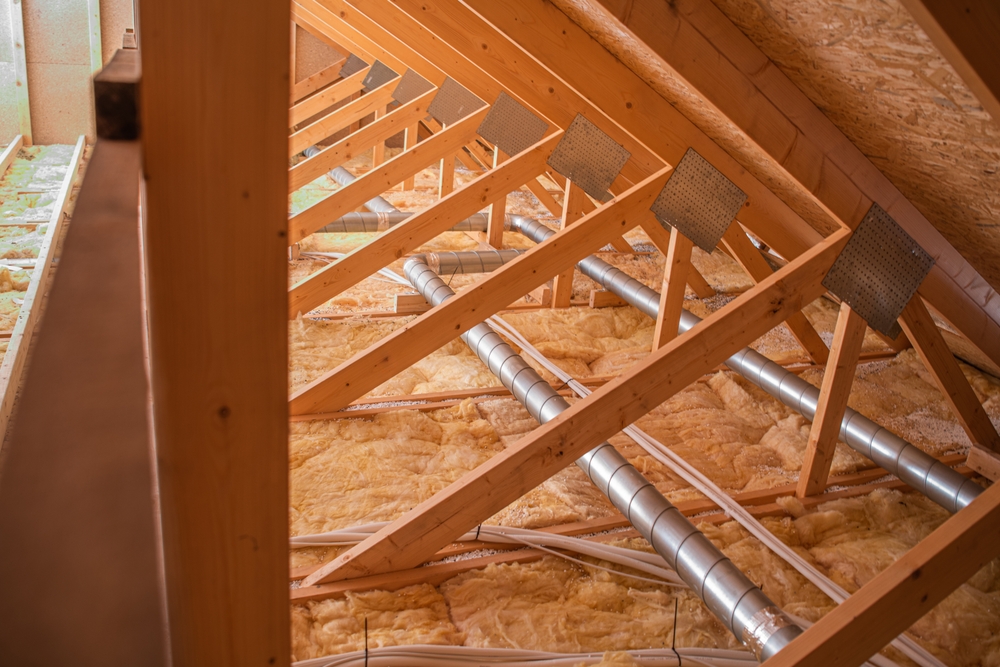
Insulation acts as a high-performance blanket for your house, slowing the natural process of heat transfer. In the winter, heat naturally moves from warm spaces to cold ones, seeking any available exit through your home’s envelope. Proper home insulation for heating creates a resistant barrier that keeps that energy trapped where you need it most. When this barrier is thick and continuous, your home maintains a steady internal temperature regardless of the outdoor conditions.
This thermal resistance is measured by R-value, which indicates how well a material prevents heat from leaking out. A higher R-value in your attic and walls means your furnace does not have to cycle on as frequently to replace lost warmth. When insulation is insufficient, the temperature drops rapidly the moment the heating cycle ends. This creates a “yo-yo” effect that is uncomfortable for residents and taxing on mechanical components.
Key Insulation Areas in a Home
To achieve maximum efficiency, you must address several specific zones where thermal leakage is most common. Focusing your efforts on these critical areas ensures that your home insulation for heating works in harmony with your mechanical systems. Here are the primary locations that require professional attention to keep your home warm:
- Attic: This is the most vital area for heat retention because warm air naturally rises and escapes through the roof.
- Walls: Exterior walls represent a massive surface area where heat can seep out if the cavities are not properly filled.
- Ducts: Leaky or uninsulated ductwork in crawlspaces or attics allows heated air to escape before it ever reaches your vents.
- Pipes: Insulating hot water pipes prevents heat loss as water travels from the heater to your faucets and radiators.
How Poor Insulation Increases Heating Load
When a home is poorly insulated, it suffers from a high “heating load,” which is the amount of heat energy required to maintain a specific temperature. High heating loads mean your equipment must run longer and hotter to compensate for the constant loss of energy. This creates significant wear and tear on your system, often leading to a premature need for professional furnace services. Overworked systems are far more likely to experience mechanical failure during the coldest weeks of the year.
Furthermore, a heavy heating load leads to uneven temperatures throughout the different rooms of your house. You might find that the living room is boiling while the bedrooms remain drafty and cold. This imbalance occurs because the heat is escaping faster than the system can distribute it evenly. Utilizing high-quality home insulation for heating reduces this load, allowing your system to operate within its intended design parameters.
Key Benefits of Proper Insulation
The advantages of upgrading your home’s thermal envelope extend far beyond simple temperature control. By choosing the right home insulation for heating, you are making a long-term investment in the health of your property. These improvements provide immediate relief to both your comfort levels and your monthly household budget:
- Reduced energy bills: Proper thermal barriers significantly lower the amount of fuel or electricity required to keep your home at a comfortable temperature.
- Faster heating: A well-sealed home reaches your desired thermostat setting much more quickly after a period of inactivity.
- Extended equipment lifespan: Because your system runs less frequently, you reduce the mechanical stress that usually necessitates frequent furnace services.
- Enhanced indoor air quality: Many insulation types also act as a seal against outdoor pollutants, dust, and allergens entering through gaps.
Maximizing your home’s warmth requires a dual approach of high-quality barriers and reliable mechanical performance. When your insulation is performing correctly, your heating system can do its job without unnecessary strain. This synergy is the secret to a peaceful and affordable winter season in the Salt Lake Valley.
If you suspect your system is struggling due to drafts or poor heat retention, the team at Thompson’s Comfort Connection is ready to assist. We are proud to offer comprehensive furnace services to our neighbors in Salt Lake City, Draper, Midvale, Sandy, Riverton, and Cottonwood Heights. Contact us today to ensure your home remains the ultimate environment of warmth and efficiency all winter long.
Related Articles
A Homeowner’s Guide to Boiler Ventilation and Safe Exhaust
Maintaining a high-efficiency boiler system requires more than just checking…
[ READ MORE ]
How to Optimize Thermostat Settings for Savings & Longevity
Managing your home environment is about more than just finding…
[ READ MORE ]
How Proper Insulation Enhances Heating System Performance
Maintaining a cozy home during a Utah winter requires more…
[ READ MORE ]