
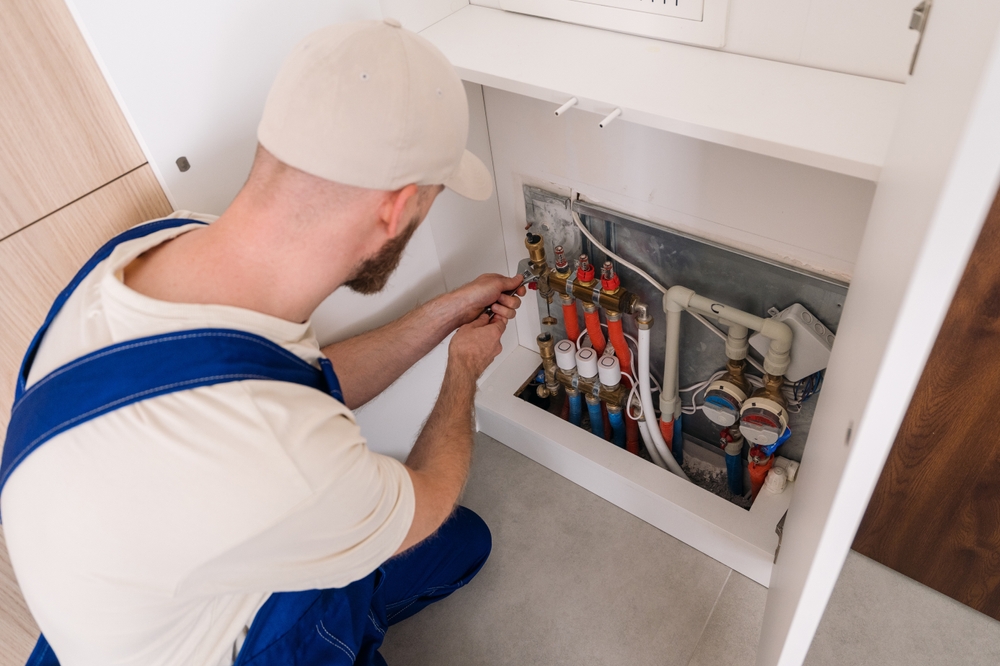
A Homeowner’s Guide to Boiler Ventilation and Safe Exhaust
Maintaining a high-efficiency boiler system requires more than just checking the thermostat or listening for strange noises. The core of any safe heating system lies in how it breathes and how it expels the byproducts of combustion. When a boiler operates, it relies on a steady intake of fresh air and a secure path to vent exhaust gases out of your living space.
Ensuring your system meets all safety standards is the best way to protect your family and your property during the cold Utah winters. If you have concerns about your system, Thompson’s Comfort Connection provides expert boiler maintenance and installation services in Salt Lake City, Draper, Midvale, Sandy, Riverton, and Cottonwood Heights. Contact us today to learn more, or read on for further information on boiler ventilation and exhaust and their importance for your system.
Why Proper Boiler Ventilation and Exhaust is Critical
Understanding the mechanics of airflow is the first step in responsible homeownership. Proper ventilation ensures several key benefits:
- Air Supply: A consistent flow of oxygen is necessary to sustain the flame and ensure fuel burns completely.
- Gas Removal: Effective exhaust systems carry carbon monoxide and nitrogen oxides safely away from the home interior.
- System Longevity: Proper airflow prevents the buildup of soot and corrosive materials that can damage internal components.
- Energy Efficiency: When a boiler breathes easily, it uses less fuel to reach your desired indoor temperature.
- Compliance: Following specific boiler ventilation requirements ensures your home stays up to code and remains insurable.
Avoiding Risks of Carbon Monoxide and Overheating
Safety is the primary driver behind strict boiler ventilation requirements in residential settings. Carbon monoxide is a colorless, odorless gas that can leak into your home if the exhaust flue is cracked or obstructed. Without a clear path for hot gases to escape, the unit can also overheat, leading to expensive mechanical failures or fire hazards.
Local building codes emphasize these boiler ventilation requirements to prevent tragic accidents in the community. Regular inspections identify small cracks in the venting pipe before they become life-threatening leaks. By prioritizing these standards, you create a fail-safe environment for your household throughout the heating season.
General Ventilation Requirements
Modern heating systems must adhere to specific boiler ventilation requirements regarding the size and material of the exhaust pipes. The diameter of the vent must match the output capacity of the unit to ensure gases move at the correct velocity. Additionally, the location of the external vent termination must be far enough away from windows and doors to prevent exhaust from re-entering the home.
Air intake is just as important as the exhaust path, especially in newer, airtight homes. If a boiler is tucked into a small closet, it may require dedicated louvered doors or fresh air ducts to pull in enough oxygen. Professional installers calculate these specifications to ensure the boiler never starves for air during heavy use.
Common Ventilation Mistakes to Avoid
Many homeowners unknowingly compromise their safety by making DIY adjustments or neglecting the area around their heating unit. Obstructing the airflow or using the wrong materials for repairs can lead to immediate system shutdowns or dangerous gas accumulation. Avoiding these common pitfalls is essential for maintaining a reliable and healthy home environment:
- Storage Obstructions: Placing boxes or household chemicals too close to the boiler can block air intakes and create fire risks.
- Improper Materials: Using standard plastic piping instead of heat-rated venting material can lead to melting and gas leaks.
- Blocked Flues: Bird nests, snow buildup, or debris in the external vent can cause exhaust to back up into the basement.
- Inadequate Room Size: Installing a high-powered unit in a cramped space without adding extra air sources leads to poor combustion.
- Seal Failures: Using the wrong type of tape or sealant on vent joints allows toxic fumes to seep into the living area.
Signs Boiler Ventilation or Exhaust Needs Inspection
Detecting a problem early can save you from a total system breakdown or a health emergency. You should regularly scan the area around your boiler for physical changes or unusual odors. If you notice any of the following indicators, it is time to call for professional boiler maintenance and installation services:
- Soot Staining: Dark streaks or black dust around the boiler casing or vent joints indicate poor exhaust flow.
- Yellow Flames: A burner flame that appears yellow or orange instead of crisp blue suggests a lack of oxygen.
- Heavy Condensation: Excessive moisture on the windows of the boiler room often points to an exhaust blockage.
- Stale Air: A lingering smoky or metallic smell in the air when the heat kicks on is a major red flag.
- Pilot Failures: A pilot light that frequently goes out may be a victim of improper drafting or oxygen starvation.
Keeping your heating system in top shape requires a partner who understands the specific needs of Utah homes. Thompson’s Comfort Connection is proud to offer comprehensive boiler maintenance and installation services to our neighbors in Salt Lake City, Draper, Midvale, Sandy, Riverton, and Cottonwood Heights. Please reach out to our team today to schedule an inspection and ensure your boiler ventilation requirements are fully met for the season ahead.
Related Articles
A Homeowner’s Guide to Boiler Ventilation and Safe Exhaust
Maintaining a high-efficiency boiler system requires more than just checking…
[ READ MORE ]
How to Optimize Thermostat Settings for Savings & Longevity
Managing your home environment is about more than just finding…
[ READ MORE ]
How Proper Insulation Enhances Heating System Performance
Maintaining a cozy home during a Utah winter requires more…
[ READ MORE ]