
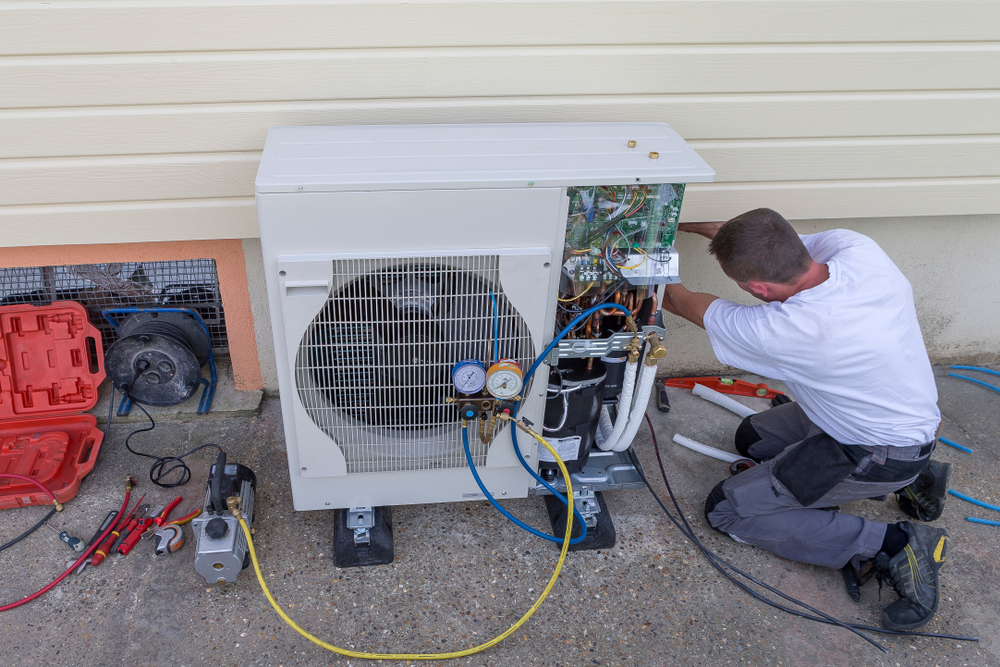
How Heat Pump Sensors Work and Basics on Malfunctions
Sensors are often an important part of heating and cooling systems in your home, and heat pump sensors are a great example. What are heat pump sensors and which key roles do they play, and how do you prevent or remedy heat pump sensor problems if they arise?
At Thompson’s Comfort Connection, we’re here to help with heat pump repair and a variety of other heat pump services for clients around Cottonwood Heights, Riverton, Sandy, Draper, Midvale and nearby areas. Here are some basics on the role of heat pump sensors and why they’re important, plus some common heat pump sensor problems and how to identify and manage them, whether on your own or with the help of our professionals wherever needed.
Role of Heat Pump Sensors
Within a heat pump, sensors play several key roles for basic operation:
- Temperature detection: Naturally, heat pump sensors monitor temperature levels in various parts of the system to ensure efficient operation and provide accurate readings for thermostat adjustment.
- Pressure detection: In addition, sensors also gauge pressure levels within key areas like the compressor or refrigerant lines. This allows them to regulate flow and make sure the system isn’t overworking itself.
- Safety measures: Finally, heat pump sensors are often equipped with safety features that can shut down the system if certain conditions aren’t met, such as a low-pressure cutoff switch.
- Defrost sensing: Another crucial function of heat pump sensors is defrost sensing. This ensures that the system goes into a defrost cycle when necessary, preventing ice buildup and maintaining optimal performance.
How Malfunctioning Heat Pump Sensors Impact Performance and Safety
If your heat pump sensors are malfunctioning or not functioning at all, it can have a significant impact on both the performance and safety of your system in several ways:
- Reduced efficiency: Malfunctioning sensors can cause your heat pump to run longer than necessary or cycle on and off frequently, resulting in higher energy bills and reduced efficiency.
- Poor temperature control: Heat pumps rely on accurate temperature readings from sensors to determine when to turn on or off. If these readings are incorrect, your heat pump may struggle to maintain the desired temperature in your home.
- Increased wear and tear: A malfunctioning sensor can also lead to increased wear and tear on your heat pump, as it may be working harder than necessary due to inaccurate temperature readings.
- Reduced lifespan: All of these issues can contribute to a shortened lifespan for your heat pump. Regular maintenance and prompt repairs can help prolong its lifespan and save you money in the long run.
Common Signs of Heat Pump Sensor Problems
Here are some possible signs of faulty heat pump sensors:
Inconsistent Temperatures
If you notice that your heat pump is producing inconsistent temperatures throughout your home, it could be a sign of a faulty temperature sensor. This issue can make it difficult to maintain a comfortable temperature and may result in higher energy bills.
Frequent Cycling
A broken or malfunctioning sensor can cause your heat pump to cycle on and off more frequently than necessary. This constant cycling can put unnecessary strain on the system and lead to increased wear and tear.
Frozen Coils
If your heat pump’s evaporator coils are frozen, this could indicate an issue with the defrost sensor. A malfunctioning defrost sensor can prevent the heat pump from properly defrosting, resulting in reduced efficiency and potential damage to the unit.
Tips on Diagnosing and Remedying Heat Pump Sensor Problems
If you believe you might be experiencing problems with your heat pump’s sensors, there are a few steps you can take to try and diagnose and remedy the issue.
- Check for Error Codes: Many modern heat pumps have built-in diagnostic tools that provide error codes when something is not functioning correctly. If your heat pump has this feature, consult the manual for instructions on how to access and interpret the codes. This may provide insight into whether a sensor is malfunctioning.
- Clean or Replace Dirty Sensors: Dirt, dust, and debris can build up on heat pump sensors over time, affecting their ability to accurately measure temperature or pressure. If you suspect this might be the case, carefully clean the sensors with a soft cloth or brush. If they are damaged or beyond cleaning, replace them with new ones.
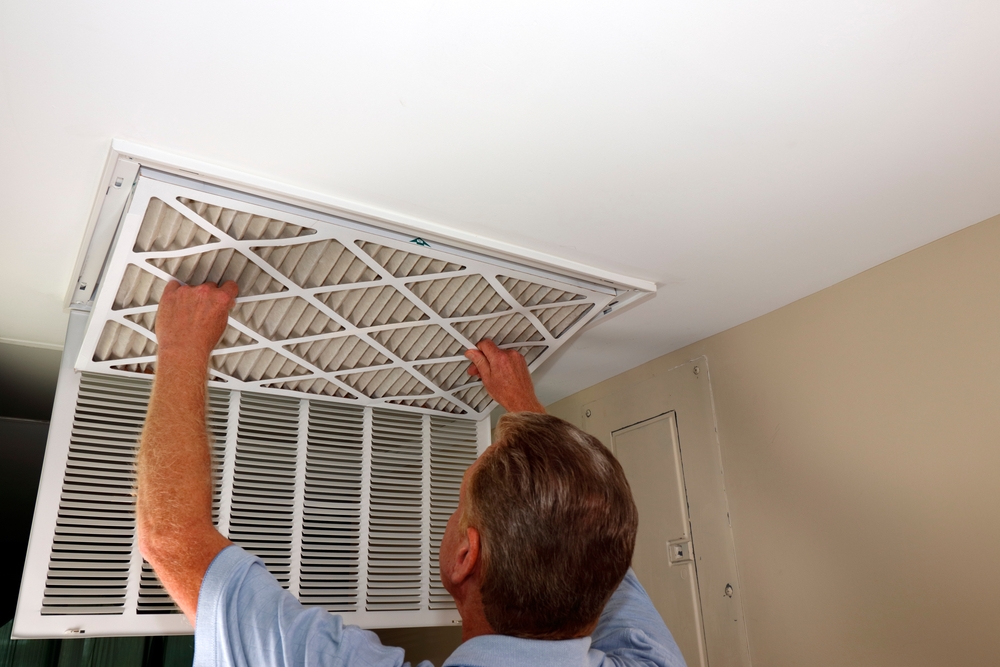
- Check and Replace Air Filters: A dirty air filter can also cause problems for your heat pump by restricting airflow and reducing its efficiency. Make sure to regularly check and replace your air filter according to the manufacturer’s instructions.
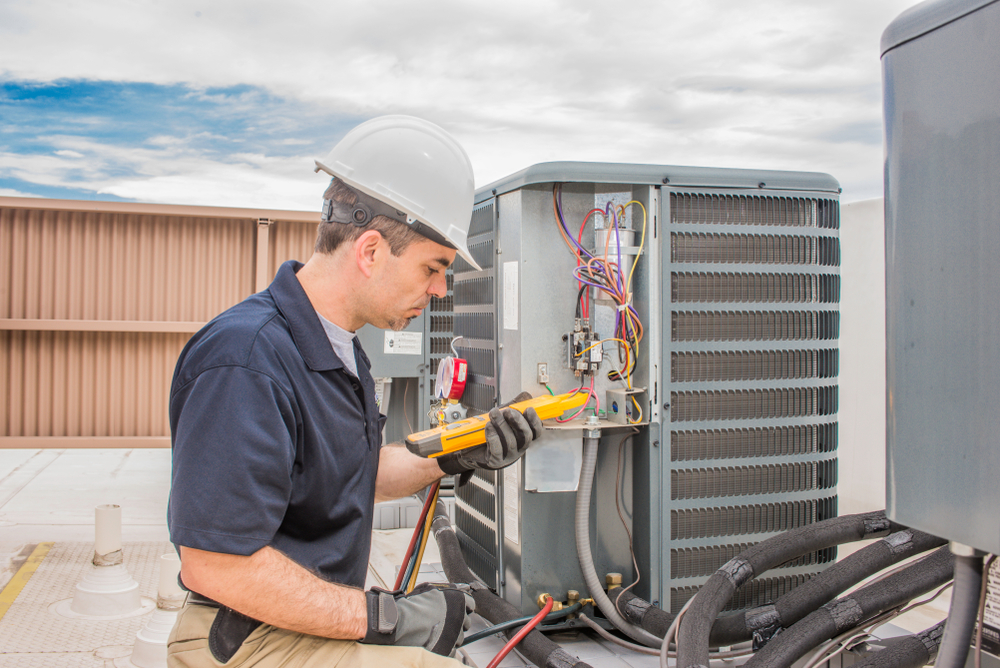
If none of these steps fix the issue, however, it might be time to call in a professional. A trained technician can diagnose and fix any underlying issues with your heat pump, ensuring it runs smoothly and efficiently. Regular maintenance by a professional can also extend the lifespan of your heat pump and save you money in the long run.
At Thompson’s Comfort Connection, we’re proud to offer the best heat pump repair and related heat pump maintenance services for clients around Riverton, Cottonwood Heights, Midvale, Sandy, Draper and nearby areas of Utah. Contact us today to learn more or schedule service!
Related Articles
A Homeowner’s Guide to Boiler Ventilation and Safe Exhaust
Maintaining a high-efficiency boiler system requires more than just checking…
[ READ MORE ]
How to Optimize Thermostat Settings for Savings & Longevity
Managing your home environment is about more than just finding…
[ READ MORE ]
How Proper Insulation Enhances Heating System Performance
Maintaining a cozy home during a Utah winter requires more…
[ READ MORE ]