
How to Maintain Indoor Air Quality When Using Heating Systems
Several factors tend to be important to homeowners when utilizing any kind of heating system in their home, and indoor air quality is almost always high on this list. How can you maintain indoor air quality in winter while using a heating system?
At Thompson’s Comfort Connection, we proudly offer a wide range of furnace services and related HVAC solutions to clients around Salt Lake City, Draper, Cottonwood Heights, Sandy, Midvale, Riverton, and nearby areas of Utah, including assistance with indoor air quality in winter. Here are some basics on the links between heating systems and indoor air quality, some tips on how to improve air quality this winter, and some maintenance steps to prevent contamination issues.
Links Between Heating and Indoor Air Quality
There are several specific ways in which the heating systems in your home can affect indoor air quality. For example:
- Air Filter Efficiency: Your furnace or heat pump may have an air filter designed to capture dust, dirt, pollen, and other contaminants before they enter your living spaces. If the filter is clogged or dirty, it won’t work properly and could allow these pollutants to circulate through the air.
- Carbon Monoxide: Any combustion-based heating system (such as a gas furnace) produces small amounts of carbon monoxide (CO). Normally, this CO is vented out of your home. But if there’s a problem with the combustion process – such as a maladjusted burner or clogged flue – dangerous amounts of CO can enter your living spaces. This odorless, colorless gas is deadly and should be taken very seriously. To protect against CO poisoning, it’s important to have your heating system regularly inspected by a professional and to install a carbon monoxide detector in your home.
- Fire Safety: Heating systems that use fuel (such as oil or gas) have a higher risk of starting fires. It’s crucial to keep all flammable materials away from the heating system and to have it inspected regularly for any potential fire hazards. Additionally, make sure you have working smoke detectors in every room of your home and a fire extinguisher easily accessible in case of an emergency.
General Tips to Improve Indoor Air Quality in Winter
Here are a few areas to consider when it comes to optimizing your winter air quality and heating system:
Ventilation
One of the most important factors in maintaining good indoor air quality is proper ventilation. In the winter, many people tend to keep their windows and doors closed in order to conserve heat. However, this can also trap pollutants and allergens inside your home. To combat this issue, consider investing in an air purifier or opening windows for a few minutes each day to allow fresh air to circulate.
Humidity Control
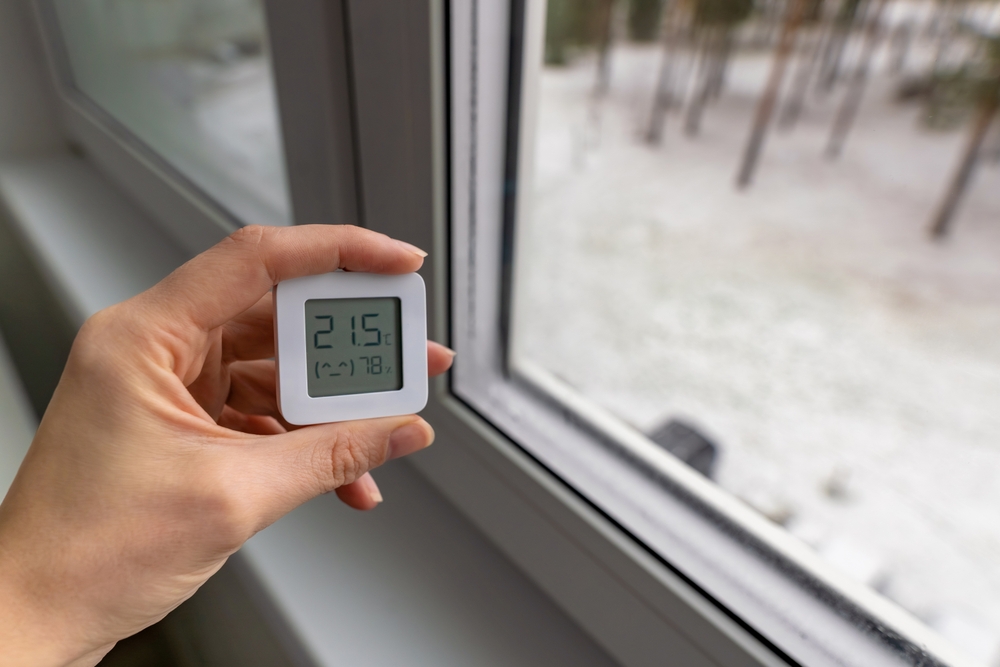
Dry winter air can lead to a variety of health issues, such as dry skin, nosebleeds, and respiratory problems. On the other hand, excess humidity can promote mold growth and worsen allergies. It’s important to strike a balance by using a humidifier if your home is too dry or a dehumidifier if it’s too humid.
When using a humidifier, be sure to clean and maintain it regularly to prevent the growth of bacteria or mold. It’s also important to monitor humidity levels and adjust accordingly. Some hygrometers can be purchased to easily measure humidity levels in your home.
Filter Cleaning/Upgrades
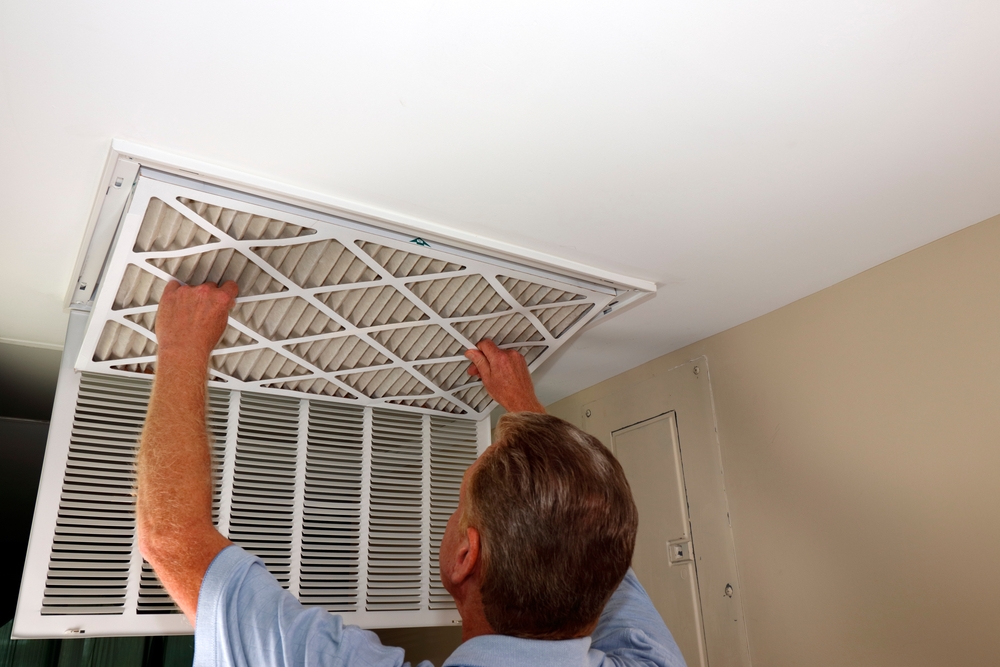
Filters also play a vital role in maintaining air quality in winter, as they help capture and remove dust, pollen, pet dander, and other pollutants from the air. It’s important to regularly clean or replace your filters according to the manufacturer’s instructions.
You may also want to consider upgrading to a high-efficiency particulate air (HEPA) filter, which can capture even smaller particles compared to standard filters. This can be especially beneficial for those with allergies or respiratory conditions.
Harmful Pollutants to Watch For
Which specific pollutants are you looking to prevent with these efforts? Here are some examples:
- Carbon monoxide: As we noted earlier, this colorless and odorless gas can be a serious threat if your heating system is not functioning properly. Symptoms of carbon monoxide poisoning include headaches, dizziness, nausea, and confusion.
- Volatile organic compounds (VOCs): These chemicals are emitted from various household products such as cleaning supplies, paints, and furniture. Long-term exposure to VOCs has been linked to health issues such as respiratory problems, allergic reactions, and even cancer.
- Dust: Because of improper ventilation and air circulation, dust can accumulate in your home and cause respiratory irritation. Dust mites, which are tiny organisms found in dust particles, can also trigger allergies and asthma symptoms.
At Thompson’s Comfort Connection, we’re proud to assist clients around Salt Lake City, Draper, Cottonwood Heights, Sandy, Midvale, Riverton, and nearby areas of Utah with all their furnace services and related needs this winter, including indoor air quality. Contact us today to learn more or schedule service!
Related Articles
A Homeowner’s Guide to Boiler Ventilation and Safe Exhaust
Maintaining a high-efficiency boiler system requires more than just checking…
[ READ MORE ]
How to Optimize Thermostat Settings for Savings & Longevity
Managing your home environment is about more than just finding…
[ READ MORE ]
How Proper Insulation Enhances Heating System Performance
Maintaining a cozy home during a Utah winter requires more…
[ READ MORE ]