
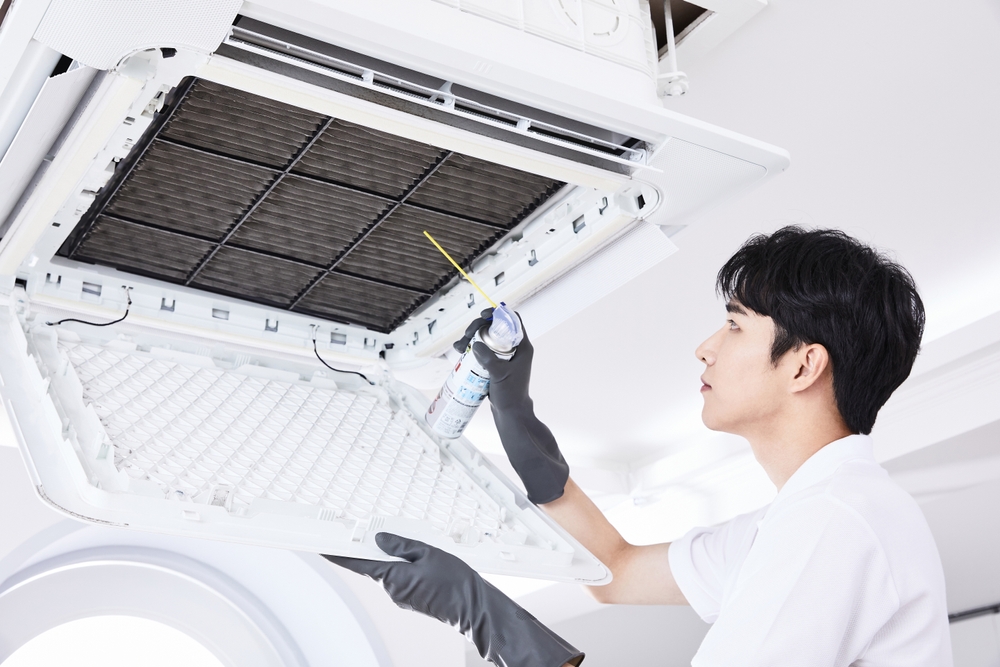
How to Choose the Right Air Filter for AC & Indoor Air Quality
Maintaining a comfortable home in the Salt Lake Valley requires more than just adjusting the thermostat. The air filter you select plays a critical role in protecting your HVAC system from premature wear while simultaneously scrubbing the air your family breathes. Choosing the right filter involves balancing the need for high-density filtration with the necessity of maintaining proper system airflow to prevent mechanical strain.
Homeowners throughout the region often struggle to find the perfect balance between filtration efficiency and energy costs. If you are unsure which product fits your specific system, the experts at Thompson’s Comfort Connection provide comprehensive air conditioning maintenance for residents in Sandy, Draper, Midvale, Riverton, and Cottonwood Heights. Regular professional inspections ensure that your chosen filter is helping rather than hindering your cooling performance. Selecting the right components now can save you from expensive repairs and poor air quality issues during the peak of the Utah summer; here are some tips on choosing the right air filter type.
Outlining Filter Types
There are several varieties of filters available on the market, ranging from basic shields to hospital-grade purification systems. Each type offers a different level of resistance and surface area, which directly impacts how effectively they capture microscopic particles. Understanding these differences is the first step when you choose AC air filter options for your specific household needs.
- Fiberglass filters are the most economical choice but offer the lowest level of filtration. They are designed primarily to keep large debris out of your air handler rather than improving the air you breathe.
- Pleated filters are made from polyester or cotton folds, providing more surface area to trap dust and allergens. These are the most common choices for residential systems because they balance cost with effective performance.
- HEPA filters provide the highest level of filtration by capturing 99.97 percent of particles as small as 0.3 microns. However, these often require professional modification to your HVAC system because their density can severely restrict standard airflow.
- Electrostatic filters use self-charging fibers to attract small particles like a magnet. They are available in both disposable and permanent, washable versions to suit different maintenance preferences.
Basics on MERV Ratings
The Minimum Efficiency Reporting Value, or MERV, is a standardized scale that ranks a filter’s ability to capture particles between 0.3 and 10 microns. This rating system ranges from 1 to 20, with higher numbers indicating a tighter weave and better filtration capabilities. For most residential settings, a rating between 8 and 13 is considered the sweet spot for health and efficiency.
Ratings from 1 to 4 are typical for fiberglass filters and only catch large particles like lint or carpet fibers. Moving up to MERV 5 through 8 provides better control over mold spores and hair spray particles without overworking the motor. MERV 9 to 12 filters are highly effective at stopping lead dust, humidifier dust, and most bacteria. Ratings of 13 and above are usually reserved for clinical settings or homes with specialized air purification housings installed.
Tips on Matching Filter Type to Home Need
Every home in the Sandy and Riverton areas has a unique environmental profile that dictates filtration requirements. Factors such as the number of occupants, the presence of outdoor pollutants, and the health of the residents should influence your decision. When you choose AC air filter replacements, consider how your daily lifestyle contributes to the accumulation of indoor pollutants.
- Pets in the home introduce significant amounts of dander and fur into the ductwork. If you have dogs or cats, opting for a higher MERV pleated filter is essential to prevent these proteins from circulating.
- Allergies require a more aggressive approach to capture fine pollen and ragweed that enter through open doors. A MERV 11 or 12 filter can significantly reduce respiratory irritation for sensitive family members.
- Heavy dust is common in newer developments or areas with high construction activity. Using a high-capacity pleated filter will help keep your furniture cleaner and protect your cooling coils from clogging.
Replacement Intervals and Airflow Considerations
A high-quality filter is only effective if it is replaced before it becomes completely saturated with debris. A clogged filter creates significant static pressure, which forces your blower motor to work harder and consume more electricity. This unnecessary stress is a leading cause of system failure and is a primary focus during routine air conditioning maintenance. Most standard one-inch filters should be inspected monthly and replaced at least every ninety days.
If you live in a dusty environment or have multiple pets, you may need to swap filters as often as every thirty days. Neglecting this task can lead to frozen evaporator coils and poor temperature regulation throughout your home.
To ensure your system is operating at peak efficiency, Thompson’s Comfort Connection is ready to assist homeowners in Sandy, Draper, Midvale, Riverton, and Cottonwood Heights with all their cooling needs. Contact us today to schedule your seasonal air conditioning maintenance and keep your indoor air clean and your energy bills low.
Related Articles
A Homeowner’s Guide to Boiler Ventilation and Safe Exhaust
Maintaining a high-efficiency boiler system requires more than just checking…
[ READ MORE ]
How to Optimize Thermostat Settings for Savings & Longevity
Managing your home environment is about more than just finding…
[ READ MORE ]
How Proper Insulation Enhances Heating System Performance
Maintaining a cozy home during a Utah winter requires more…
[ READ MORE ]