
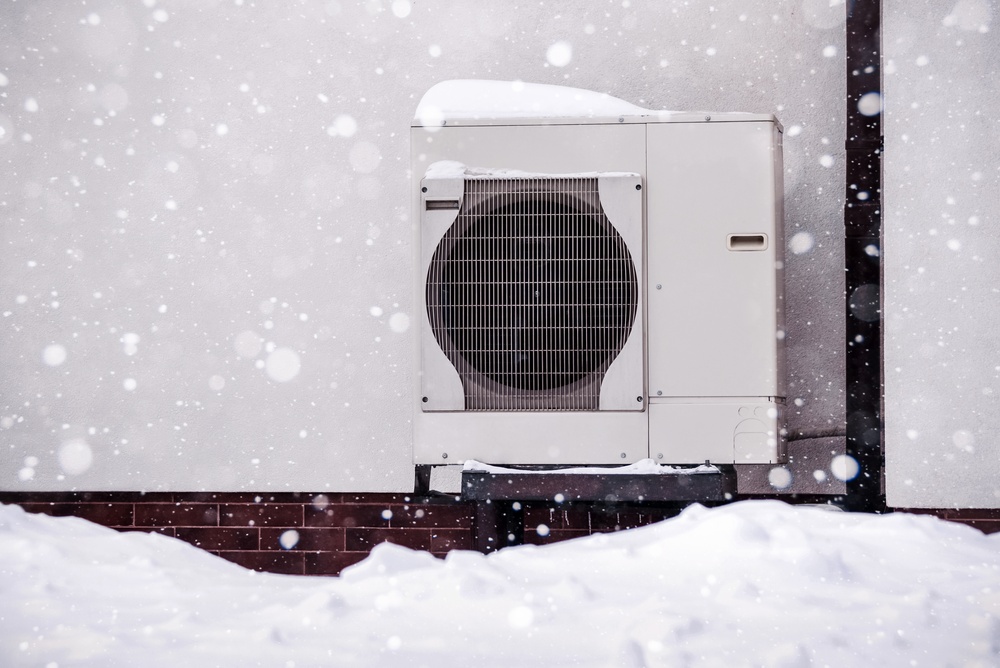
How to Protect a Heat Pump from Winter Damage and Icing
As the temperature begins to drop across the Salt Lake Valley, homeowners often rely on the efficiency of their heat pumps to maintain a cozy indoor environment. While these systems are designed to handle cold weather, the unique winter climate in Utah presents specific challenges that can impact performance. Understanding how to manage frost and ice is essential for any homeowner looking to maximize the lifespan of their equipment.
Proper maintenance ensures your system runs efficiently even when the snow starts to pile up. If you notice your unit struggling or encased in thick ice, Thompson’s Comfort Connection provides expert heat pump repair for residents in Sandy, Draper, Midvale, Riverton, and Cottonwood Heights. Taking proactive steps now can prevent a mid-winter breakdown and keep your utility bills manageable. Here are some basics on why heat pumps ice up in winter, plus how to avoid or deal with these issues.
Why Heat Pumps Ice Up in Winter
It is a common misconception that all ice on an outdoor unit indicates a catastrophic failure. During the heating cycle, the outdoor coil acts as an evaporator, absorbing heat from the ambient air. This process causes the coil to become significantly colder than the surrounding air, leading to condensation. In freezing temperatures, this moisture naturally turns into a thin layer of frost.
Most modern systems include a defrost cycle designed to melt this frost periodically. However, heavy snow, freezing rain, or mechanical issues can cause ice to accumulate faster than the system can melt it. When this happens, the airflow is restricted, forcing the unit to work harder and less efficiently. Understanding the balance between normal frost and dangerous ice is the first step in heat pump winter protection.
Preventive Steps
Maintaining a clear perimeter around your outdoor unit is the most effective way to prevent excessive icing. Proper airflow is the lifeblood of your system, and any obstruction can lead to a quick buildup of frozen moisture. By following a few simple maintenance habits, you can significantly reduce the need for emergency heat pump repair during a blizzard.
- Keep the area around the outdoor unit clear of snow, fallen leaves, and debris to ensure unrestricted airflow.
- Check your gutters to ensure they are not leaking or dripping water directly onto the top of the heat pump.
- Elevate the unit on a snow stand to prevent it from being buried during heavy Utah snowfalls.
- Monitor your defrost settings to ensure the system is triggering its melting cycle at appropriate intervals.
- Avoid placing the unit directly under a roof valley where shedding snow or ice dams can crush the delicate fins.
- Schedule a professional inspection to verify that refrigerant levels are correct, as low levels contribute to faster icing.
How to Safely Remove Minor Ice Buildup
If you find a light coating of ice on your unit, do not panic or reach for heavy tools. It is vital to never use sharp objects like ice picks, screwdrivers, or shovels to chip away at the ice. The coils and aluminum fins are incredibly fragile and can be easily punctured, leading to a costly heat pump repair. Instead, start by checking if the unit can clear the ice through its own defrost mode.
If the ice persists, you can use a garden hose to gently melt the accumulation with lukewarm water. Do not use boiling water, as the extreme temperature shift can cause metal components to crack or stress. Clear away any heavy snow from the top and sides by hand or with a soft brush. Once the bulk of the ice is gone, the system should be able to regain its normal operating efficiency.
Warning Signs of Serious Icing Requiring Professional Service
While minor frost is normal, certain symptoms indicate that your system is suffering from a mechanical failure. If the unit is completely encased in a solid block of ice or if the ice has migrated into the interior fan blades, you need professional assistance. These issues often stem from faulty sensors, bad defrost boards, or failing fan motors that DIY efforts cannot fix. Consistent monitoring is a key part of heat pump winter protection for your home.
- The outdoor unit remains encased in thick ice for several hours despite the defrost cycle running.
- You hear unusual grinding or slapping noises coming from the fan, hitting ice buildup inside the cabinet.
- The indoor vents are blowing cold air while the system is set to heat mode.
- You notice a significant and unexplained spike in your monthly energy bills.
- The unit frequently short-cycles or fails to turn on at all during freezing temperatures.
Ignoring these red flags can lead to permanent compressor damage, which is far more expensive than a standard heat pump repair. Thompson’s Comfort Connection is proud to serve the communities of Sandy, Draper, Midvale, Riverton, and Cottonwood Heights with reliable HVAC solutions. If your system is struggling with the Utah winter, contact us today to schedule a comprehensive inspection and restore your home’s warmth.
Related Articles
A Homeowner’s Guide to Boiler Ventilation and Safe Exhaust
Maintaining a high-efficiency boiler system requires more than just checking…
[ READ MORE ]
How to Optimize Thermostat Settings for Savings & Longevity
Managing your home environment is about more than just finding…
[ READ MORE ]

How Proper Insulation Enhances Heating System Performance
Maintaining a cozy home during a Utah winter requires more…
[ READ MORE ]