
What to Do After Installing a New Boiler: New Owner’s Guide
Congratulations on upgrading your home heating system! A new boiler is a significant investment that promises years of reliable warmth and improved energy efficiency for your household. Taking the right steps immediately after installation ensures that you maximize the lifespan of your unit from day one.
The transition to a modern system often involves learning new controls and monitoring different performance metrics than your old unit required. Thompson’s Comfort Connection provides expert boiler maintenance and installation services to homeowners throughout Sandy, Draper, Midvale, Riverton, and Cottonwood Heights. Our team is dedicated to ensuring your new system operates at peak performance throughout the harsh Utah winters. This guide will walk you through the essential steps every new owner should take to protect their investment.
Initial Checks to Perform
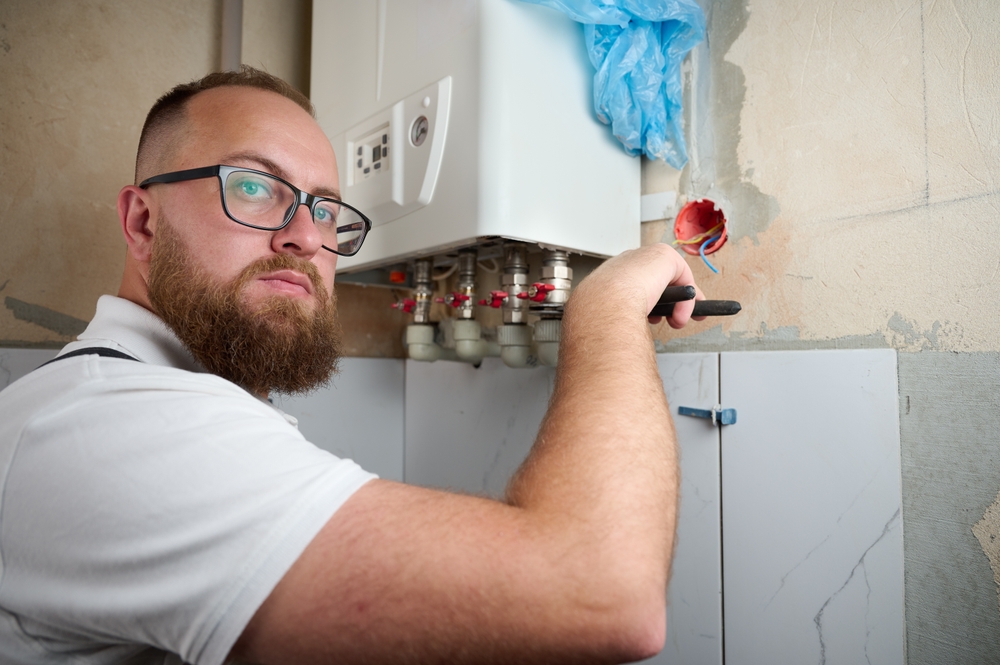
Once the technicians have departed, it is helpful to run through a new boiler checklist to familiarize yourself with the system’s baseline operation. Understanding what looks and sounds normal now will help you identify potential issues more quickly in the future. Modern boilers are highly sophisticated, so taking a few minutes to verify these basic components will give you peace of mind.
- Verify the system pressure is within the manufacturer’s recommended range, usually indicated by a green zone on the digital or analog gauge.
- Ensure your smart thermostat or traditional controller is successfully paired and responding to temperature adjustments in every zone of your home.
- Locate the physical copies of the owner’s manuals and warranty documents provided during your boiler maintenance and installation services.
- Confirm that the area around the boiler is clear of any combustible materials or household clutter to allow for proper ventilation and safety.
- Identify the emergency shut-off valves for both the water and the fuel source so you can act quickly if a leak is ever detected.
Tips on Setting an Efficient Schedule
Modern boilers offer incredible precision when it comes to managing your home’s climate. Rather than running the unit at a constant high temperature, you can use a new boiler checklist of scheduling preferences to lower your utility bills. Proper programming reduces wear and tear on the internal components by preventing unnecessary cycling.
- Program lower temperatures for periods when the house is empty or when the family is asleep to reduce fuel consumption.
- Utilize “weather compensation” features if your model includes them, which allow the boiler to adjust its output based on outdoor temperatures in Sandy or Riverton.
- Set a gradual “warm-up” period in the morning rather than a sudden high-heat demand to allow the system to reach temperature more efficiently.
- Adjust your pump speed settings if your home has multiple levels to ensure even heat distribution without overworking the motor.
Understanding Maintenance Intervals
Regular professional oversight is the most important factor in keeping your warranty valid and your home safe. Even though the equipment is brand new, scheduling annual boiler maintenance and installation services is a standard requirement for most major manufacturers. These checkups allow a professional to clean the heat exchanger and test safety sensors that are critical for long-term operation. We recommend marking your calendar for a yearly inspection every autumn before the first frost hits the Salt Lake Valley.
Avoiding Common Early Issues
The first few weeks of operation are when you are most likely to notice minor settling issues, such as air trapped in the radiators. If you hear banging or whistling sounds, it usually indicates that the system needs to be bled to remove air pockets. Keep a close eye on your new boiler checklist during this time to ensure the pressure remains stable as the system settles. It is also wise to monitor your first few energy bills to verify that you are seeing the expected increase in efficiency compared to your previous unit.
When to Contact a Technician
While modern systems are incredibly durable, you should never hesitate to call for professional assistance if something feels off. If you notice a persistent drop in pressure or see any signs of water leakage around the base of the unit, professional intervention is necessary. Strange odors or error codes on the digital display should also be handled by the experts who provided your boiler maintenance and installation services. Attempting to repair a high-efficiency boiler yourself can void your warranty and create significant safety hazards.
Ensuring your home stays warm and comfortable is our top priority at Thompson’s Comfort Connection. We are proud to serve the residents of Sandy, Draper, Midvale, Riverton, and Cottonwood Heights with reliable heating solutions. If you have questions about your new system or need to schedule a routine checkup, please contact us today to speak with a specialist. Our team is always ready to help you maintain the efficiency and safety of your home heating system.
Related Articles
A Homeowner’s Guide to Boiler Ventilation and Safe Exhaust
Maintaining a high-efficiency boiler system requires more than just checking…
[ READ MORE ]
How to Optimize Thermostat Settings for Savings & Longevity
Managing your home environment is about more than just finding…
[ READ MORE ]
How Proper Insulation Enhances Heating System Performance
Maintaining a cozy home during a Utah winter requires more…
[ READ MORE ]